
Insulate Now. Pay Over Time.
0%
Financing for 24 Months
Get the insulation your property needs with flexible financing options.
Apply for Financing →
Subject to credit approval. Terms and conditions apply.
Spray Foam Insulation Services in Houston, TX
Titan Thermal Shield provides professional open-cell and closed-cell spray foam insulation for residential and commercial properties in Houston and surrounding communities.
Whether you're building a new home, insulating an attic, working on a metal structure, or planning another insulation project, understanding the building and selecting the right application are important first steps.
Understanding Spray Foam Insulation
Spray polyurethane foam is a two-component insulation material that is applied using specialized equipment. During installation, the materials react and expand to form foam against suitable building surfaces.
The expanding foam conforms to irregular spaces and can help limit air movement when installed to the required thickness and specifications.
Spray foam is not a one-size-fits-all product. Different building assemblies have different insulation, air-sealing, moisture-control, and code requirements.
The two categories we install are open-cell and closed-cell spray foam, described below in the same order so they can be compared directly.
Open-Cell Spray Foam Insulation
Open-cell spray foam is a lower-density insulation material with a relatively soft, flexible structure.
It expands substantially during application, allowing it to fill cavities and conform to framing and irregular surfaces.
- Wall cavities
- Attics and rooflines
- Interior partitions
- New construction
Closed-Cell Spray Foam Insulation
Closed-cell spray foam is a higher-density, more rigid insulation material.
It typically provides higher thermal resistance per inch and lower vapor permeability than open-cell foam.
- Metal buildings and shops
- Residential and commercial walls
- Shallow cavities
- Crawl spaces
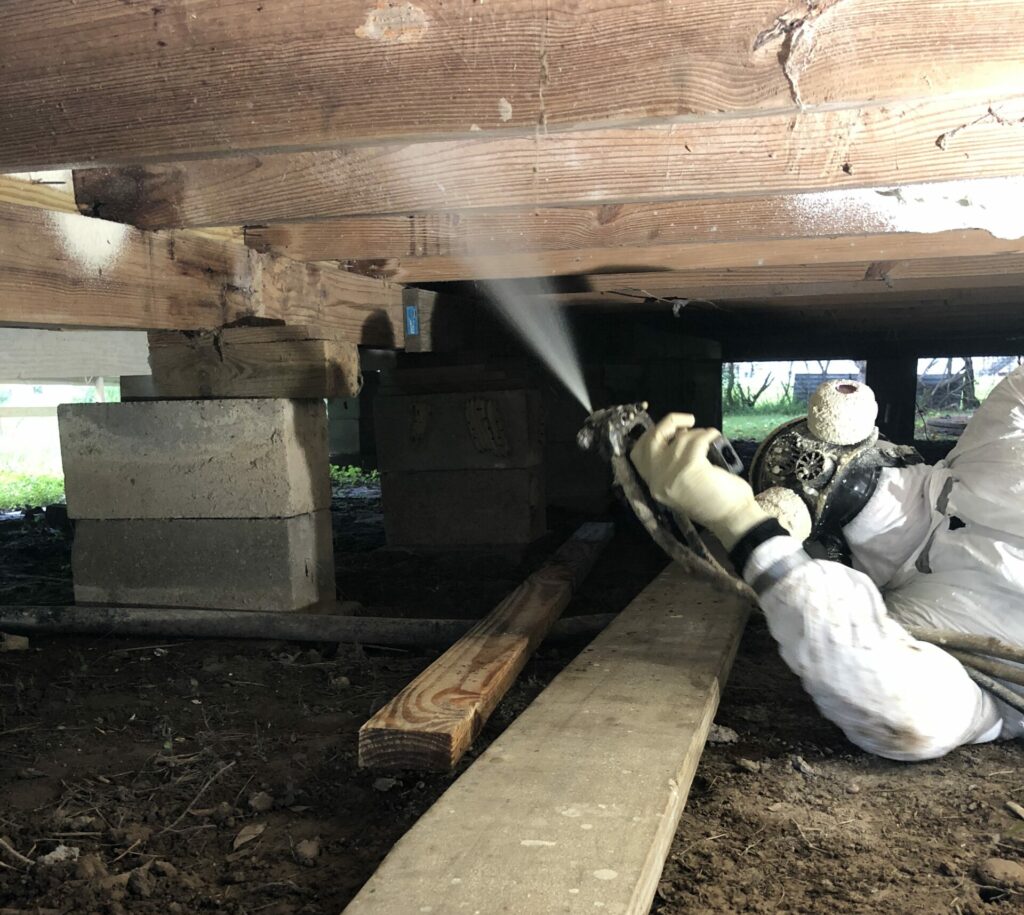
Crawl space spray foam
What happens underneath a home can affect the environment above it.
Crawl spaces in humid climates may be exposed to outside air and moisture, making air control and moisture management important considerations.
An appropriate spray foam installation can help seal unwanted air pathways and become part of a better-controlled crawl-space strategy.
Titan Thermal Shield evaluates the structure before recommending an approach.
Attic spray foam insulation
The attic can be one of the most important areas affecting a home's thermal performance.
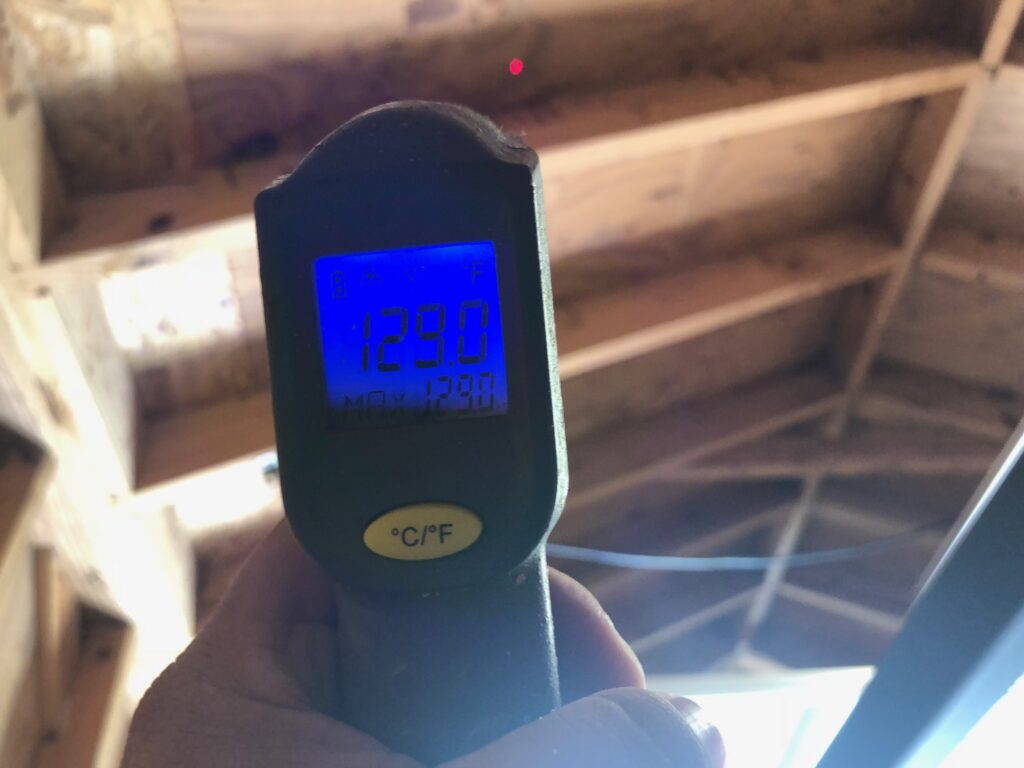
During Houston summers, roof and attic temperatures can become extreme.
If unwanted air moves between attic areas and conditioned spaces, the HVAC system may have to work harder to maintain comfortable temperatures.
An appropriate spray foam application can help create a more continuous thermal and air-control layer at the attic or roof assembly.
The correct approach depends on the design and condition of the home.
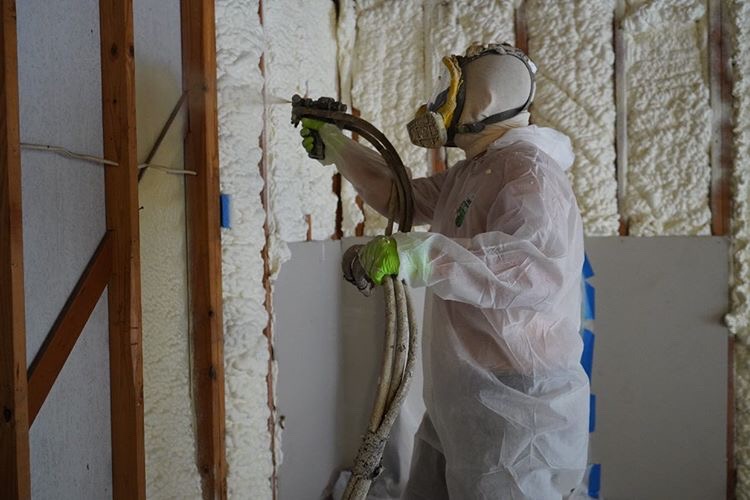
The walls are part of the system.
Exterior walls separate conditioned indoor space from changing outdoor conditions.
Gaps and penetrations within the assembly can contribute to unwanted air movement.
Spray foam expands to fill appropriate wall cavities and irregular spaces, combining insulation with air-sealing characteristics.
For new construction and accessible renovation projects, wall applications can be an important part of a whole-building insulation strategy.
From first conversation to finished installation.
A straightforward process, kept the same whether the job is one attic or a full commercial building.
Pricing depends on the foam type, installation area, required thickness, access, preparation, and project conditions. An estimate is the appropriate way to determine project-specific cost.
Tell us about the project
Share the property type, area requiring insulation and any project information you already have
Review your estimate
Receive a project estimate outlining the proposed work.
Installation & completion
The crew performs the scheduled work and completes the project workflow.
Assess the property
When required, schedule an on-site assessment so the team can review the space and project requirements.
Schedule installation
After approval and any required pre-job arrangements, schedule the work.